|
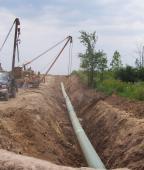 Gas transmission pipeline easements are created for the purpose of construction of an underground gas transmission line. (See easements) The gas can be either natural gas or liquid gas. The phrase "transmission line" means that the pipeline is used to transport the product from one distribution point to another. Often these points of distribution are long distances such as from city to city or state to state. Gas transmission pipeline easements are created for the purpose of construction of an underground gas transmission line. (See easements) The gas can be either natural gas or liquid gas. The phrase "transmission line" means that the pipeline is used to transport the product from one distribution point to another. Often these points of distribution are long distances such as from city to city or state to state.
Typically these pipelines are large diameter, such as 10" or 36", and carry the product under high pressure. A typical natural gas pipeline can be under 900 psi (pounds per square inch) pressure. In the case of natural gas, the gas is typically transported without any odor indicators which are used to detect leaks. These odor indicators are added at the distribution points where the gas is then carried by distribution pipelines. These distribution pipelines are smaller in size and service the gas company customers. The odorant is added to help people detect a gas leak. However, the odorant is not added to the transportation pipelines due to its weight and cost.
Gas companies are required to monitor these transmission lines for leaks on a regular basis. Monitoring techniques include frequent fly-overs where the pipeline is inspected from the air. These inspections particularly look for evidence of leaks in the ground cover, discoloration of grass or encroachment of improvements are noted. The discoloration could indicate a leak that has materialized on the surface. Improvement encroachment could place the pipeline in danger of an accidental puncture. Other monitoring methods include placing a "pig" inside the pipe to do an internal inspection, pressure monitoring and water testing.
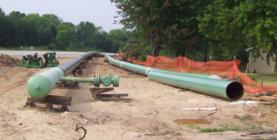 Gas transmission pipeline easements typically forbid any surface improvements such as trees, sheds or living dwellings to be placed on the easement. These easements are often barren of vegetation other than low lying bushes, grass and (if agriculture) crops. This requirement often gives the easement a corridor look. These easements, being underground and not obvious to the casual observer, are required to be marked with warning markers informing the reader of the pipelines presence and not to dig without calling first. Gas transmission pipeline easements typically forbid any surface improvements such as trees, sheds or living dwellings to be placed on the easement. These easements are often barren of vegetation other than low lying bushes, grass and (if agriculture) crops. This requirement often gives the easement a corridor look. These easements, being underground and not obvious to the casual observer, are required to be marked with warning markers informing the reader of the pipelines presence and not to dig without calling first.
The valuation of these easements often comes into play when appraising a property with an existing easement or in condemnation where the gas company desires to construct such a pipeline across private property. In either case, the appraiser must read the standing easement, learn of its restrictions, identify the placement of the easement and consider the effects of the easement to the surrounding property. In valuation of the easement land itself, the appraiser must determine the remaining value, if any, in the land to the property owner. Often a portion up to all of the value is lost due to the restrictive nature of the easement.
Caution must be used in this analysis, for often such easements are not limited to the current use. An example would be the easement limited itself to the use of a pipeline but did not specify the type of product being transported, the pressure, the size of the pipe, nor the number of pipes that can be placed in such an easement. This would mean that any time in the future the pipeline company could change the product from, say natural gas to gasoline, or dig up the easement to install another, larger pipeline. This could all be done with no compensation to the land owner.
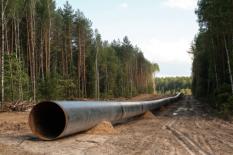 Sometimes the presence of such a pipeline and related easement negatively affects the value of the land surrounding it. Often this devaluation is attributed to the "fear factor" whereas the homeowner is concerned that the pipeline may blow up and damage their bodies and/or property. Few people are aware of the potential blast zone and its effects which could be devastating. Often the public recalls sensational news stories about gas pipeline blasts when it thinks about the potential danger of such pipelines. To date there has been little study completed on this valuation issue. Our firm has found three studies completed by the gas line companies which found little to no effect on property values due to the presence of such pipelines. However, our firm has also engaged in such a study and has found that there is a definitely measurable devaluation experienced by residential properties that have such easements on their property. This study involved ten subdivisions in Wisconsin located in the Madison, Appleton, Neenah-Menasha and Milwaukee areas. Sometimes the presence of such a pipeline and related easement negatively affects the value of the land surrounding it. Often this devaluation is attributed to the "fear factor" whereas the homeowner is concerned that the pipeline may blow up and damage their bodies and/or property. Few people are aware of the potential blast zone and its effects which could be devastating. Often the public recalls sensational news stories about gas pipeline blasts when it thinks about the potential danger of such pipelines. To date there has been little study completed on this valuation issue. Our firm has found three studies completed by the gas line companies which found little to no effect on property values due to the presence of such pipelines. However, our firm has also engaged in such a study and has found that there is a definitely measurable devaluation experienced by residential properties that have such easements on their property. This study involved ten subdivisions in Wisconsin located in the Madison, Appleton, Neenah-Menasha and Milwaukee areas.
Please contact us if you would like to learn more about this type of easement and its effects on property values.
|
|
Have A Valuation Question?
Call (920) 558-4638 to talk with our valuation expert
For information on Wisconsin gas pipeline projects, visit the FERC website.
|